
Radical transparency, by design
Most nature repair projects ask you to trust them. We ask you to verify us. Every LRX project is built on a data architecture designed for scrutiny, from registry compliance to ecological monitoring to the live feeds that power your reporting.
-
Every project carries a registry ID and operates under government-regulated frameworks such as the Australian Carbon Credit Scheme (EP method), NSW Biodiversity Offset Scheme, Nature Repair Market, and Accounting for Nature. We show you exactly which standard applies, what it requires, and how we comply.
-
Our permanence commitments are structurally secured, with 100+ year terms, audited Biodiversity Stewardship Funds, and ring-fenced stewardship capital. We don’t rely on permanence by optimism.
-
Ecological monitoring is continuous: vegetation surveys, fauna camera traps, water quality, soil health, and carbon accounting. Data flows into client dashboards and is available via API for direct integration with your disclosure and reporting systems.
-
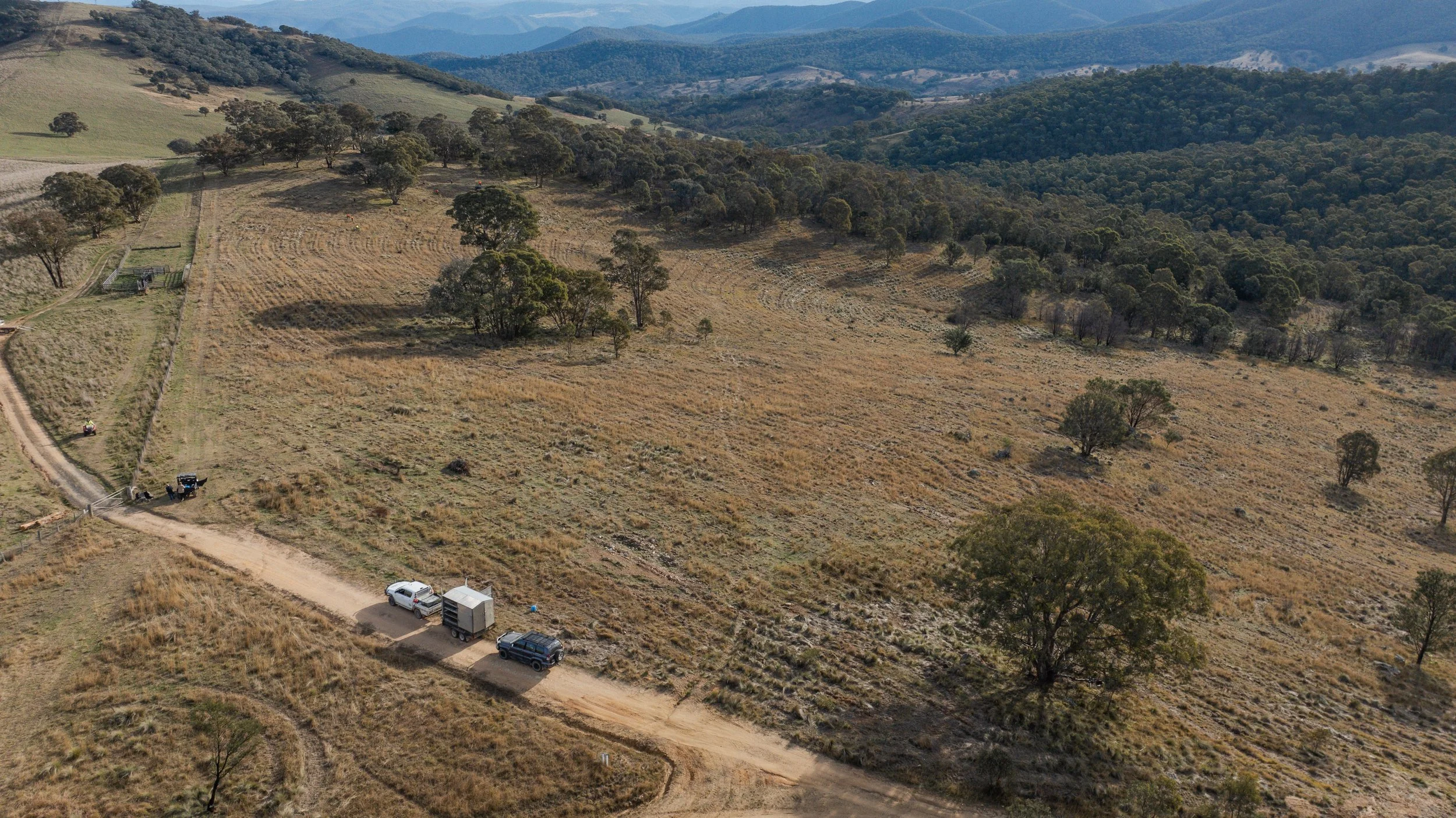
Explore our projects spatially: property boundaries, EPBC-listed communities, habitat corridors, revegetation areas, and monitoring points. This is the view your procurement and sustainability teams need.
-
Downloadable documentation for each project: method descriptions, monitoring protocols, registry references, permanence structures, and risk frameworks. Designed for due diligence.
What you can claim, and what you can't.
We want our buyers to communicate their involvement with confidence. We also want them to do it accurately. When you purchase credits or partner with LRX, we provide clear guidance on the claims you are entitled to make, and the boundaries around them. This includes the specific language appropriate to your purchase type (ACCUs, biodiversity offsets, or voluntary credits), the disclosure context in which claims are valid, and the evidence trail that supports them.
For biodiversity offset buyers
Your offset credits are generated under the NSW Biodiversity Offset Scheme and are tied to specific Plant Community Types and species. Claims should be framed within the regulatory context of your development approval. We provide the compliance documentation and ecological data to support your reporting obligations.
For custom NBS partners
The nature of your claims will depend on the structure of your engagement. We work with you to define what is measurable, what is verifiable, and what language is appropriate for your stakeholders, whether that's a board paper, an annual report, or a public campaign. We help you tell the truth well.
What we won't do
We won't provide language that overstates the impact of your purchase, implies outcomes that haven't been verified, or conflates different credit types. If a claim doesn't hold up to scrutiny, we'll inform you before you make it.
For ACCU buyers
You may claim verified carbon abatement linked to a registered project under the Australian Government's ACCU Scheme. Claims should reference the registry, method, and vintage. We provide the data and language to support accurate reporting under NGER, Climate Active, or voluntary frameworks.